
Motor Loans R Us

PCP vs Leasign blog post feature image

PCP vs Leasing: What's the Difference and Which is Right for You?

If you’re looking at getting a vehicle on finance, you’ve probably come across PCP (Personal Contract Purchase) and leasing. 

They can look similar at first, low monthly payments, fixed terms, and a new car every few years, but they’re designed for very different types of drivers. 

In this guide, we’ll break down PCP vs leasing, explain the key differences, and help you decide which option fits your lifestyle and long-term plans. 

PCP is one of the most popular vehicle finance options in the UK, and for good reason. It gives you flexibility at the end of your agreement, which leasing doesn’t. 

With PCP, you:

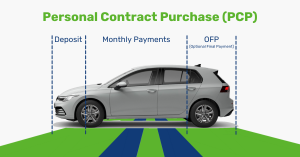
  • Pay and initial deposit (sometimes £0)
  • Make fixed monthly payments over an agreed term (usually 2-4 years)
  • Have a Guaranteed Future Value (GFV) set at the start; this is what the vehicle is predicted to be worth at the end. 

At the end of the agreement, you get three choices:

  1. Buy the vehicle by paying the final balloon payment
  2. Hand the vehicle back with nothing more to pay (subject to mileage and condition)
  3. Part-exchange the vehicle and use any equity towards your next vehicle

This flexibility is what makes PCP so appealing to many drivers. 

What is Leasing?

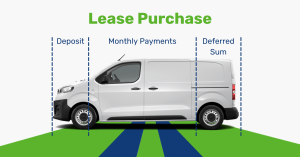
Leasing, is more like a long-term rental. 

With leasing, you:

  • Pay an initial rental (usually equal to 3-9 monthly payments)
  • Make fixed monthly payments
  • Return the vehicle at the end of the contract

There is no option to buy the vehicle at the end. You simply hand it back and start again with a new lease if you choose. 

Leasing can work well for people who always want a brand-new vehicle and are happy never owning it, but it comes with less flexibility. 

PCP vs Leasing: The Key Differences

Feature PCP Leasing
Ownership Option
Yes, you can buy the vehicle
No, you must return it
End-of-agreement choices
3 options (buy, return, or part exchange)
1 options (return it)
Monthly payments
Often slightly higher than leasing
Usually lower
Mileage limits
Agreed upfront
Agreed upfront
Vehicle equity
Possible if the vehicle is worth more than GFV
No equity
Flexibility
High
Low

Why Many Drivers Prefer PCP

While leasing can offer slightly lower monthly payments, PCP gives you far more control over your future. 

  • You Might Have Equity

    If your vehicle is worth more than the guaranteed future value at the end of your PCP agreement, you could have equity. That can be used as a deposit towards your next vehicle - something leasing can never offer.

  • You Can Keep the Vehicle

    Fallen in love with your vehicle? With PCP, you can simply pay the final balloon payment and keep it. With leasing, that option isn't on the table.

  • More Flexibility If Your Circumstances Change

    Life changes, jobs, families, budgets. PCP gives you options at the end, rather than locking you into a cycle of handing the vehicle back every time.

  • Ideal If You're Unsure About Long-Term Plans

    Not sure if you'll want to keep the vehicle in 3 years? PCP keeps your options open. Leasing assumes from day one you'll return it.

When Leasing Might Suit You

Leasing can still be a good fit if:

  • You always want a brand new vehicle
  • You’re happy to never own the vehicle
  • You want lower monthly payments and treat the vehicle purely as a monthly cost
  • You don’t want to worry about resale value or part exhange

But for many drivers, the lack of ownership option is a major drawback. 

PCP vs Leasing: Which is Better?

There is no one-size-fits-all answer, but if you value: 

  • Flexibility
  • The option to own 
  • The chance of building equity
  • More control at the end of your agreement

Then PCP is often the smarter choice. 

Leasing works best for drivers who see a car purely as a monthly subscription. PCP suits those who want options, control, and potential financial upside. 

Need Help Choosing the Right Finance Option?

Picking the right finance product is about more than just chasing the lowest monthly payment. Its about choosing an option that genuinely fits your budget, driving mileage, and day-to-day lifestyle. 

Leave a Comment

Your email address will not be published. Required fields are marked *

Scroll to Top