

Why Are So Many Business Owners Buying Land Rover Defenders?
There’s a vehicle that’s become something of a phenomenon in the UK business community over the last few years. You’ll see it parked outside construction sites, farms, architecture studios, and tech offices alike. It’s on the driveways of sole traders and in the car parks of SMEs. It’s being bought by people who’ve never owned an off-roader in their lives, and by people who have owned a dozen.
The Land Rover Defender Hard Top. And the reasons so many business owners are buying it are more interesting than you might expect.
A Brief History: From Workhorse to Icon
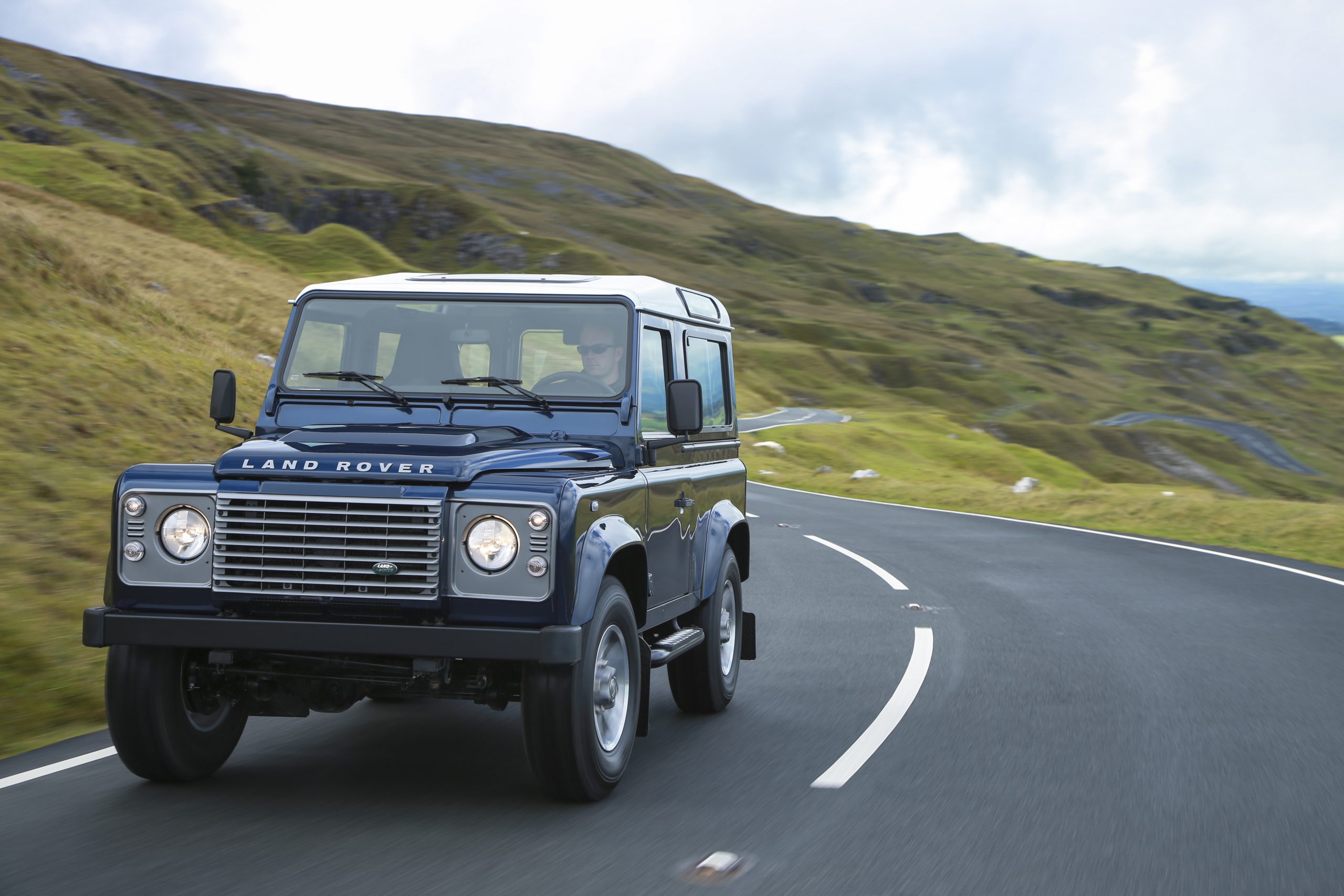
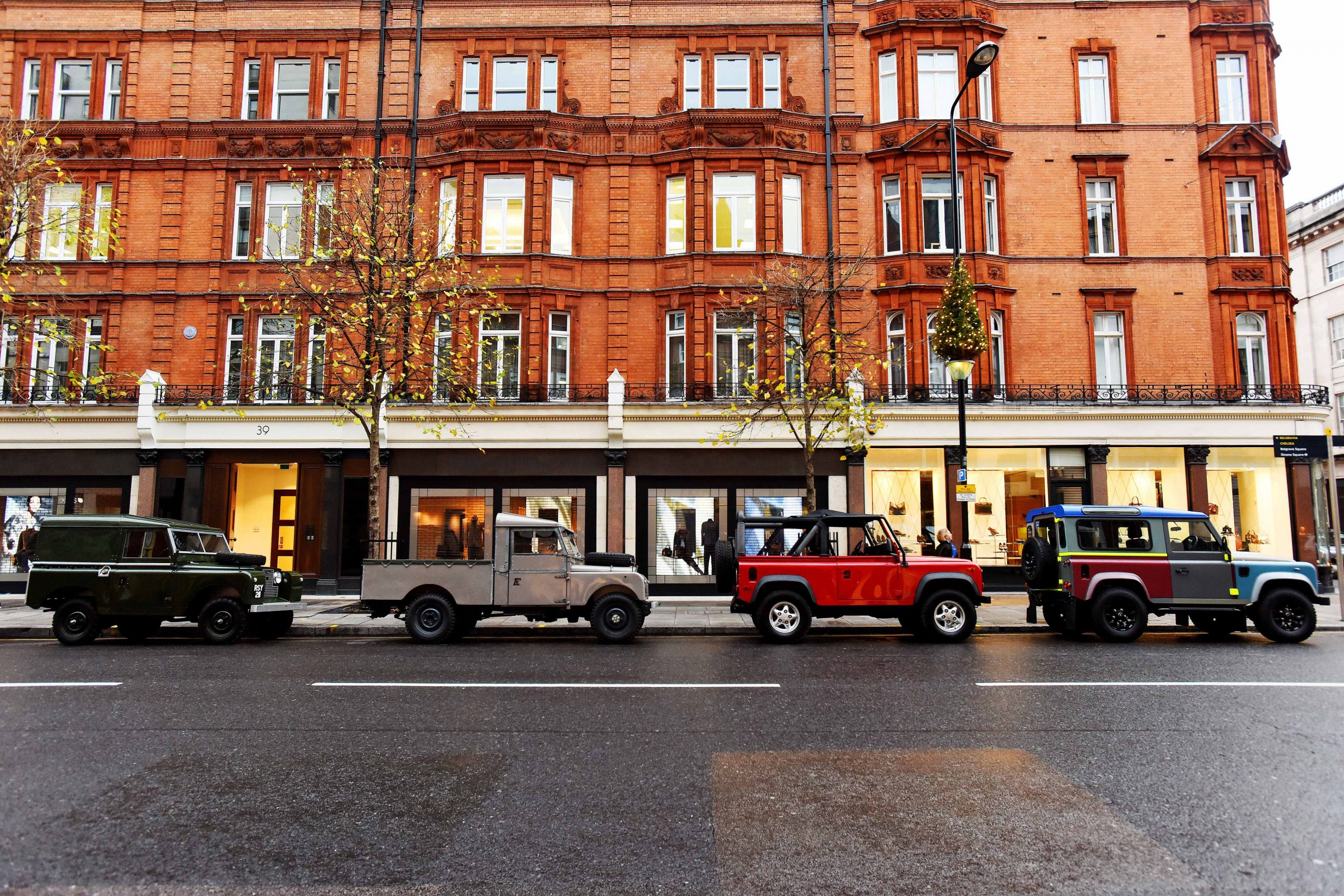
The original Defender was the workhorse’s workhorse. Introduced in 1983 as the successor to the Series Land Rover, it was stripped down and built for purpose and designed to go anywhere and do anything. Farmers, the military, emergency services, and expeditions around the world relied on it. It was agricultural, uncomfortable by modern standards, and completely unconcerned with being fashionable.
Production of the original Defender ended in 2016, and its absence from the market created a void that the used values of remaining examples were swift to fill. When Land Rover launched the new Defender in 2020, the challenge was enormous: how do you modernise an icon without destroying what made it one?
The answer was to create something that balanced genuine capability with modern technology, premium materials, and a design that referenced the original without being enslaved to it. The result has become one of the most desirable vehicles in the UK market, and one of the most financially interesting for business buyers.
What is the Defender Hard Top?
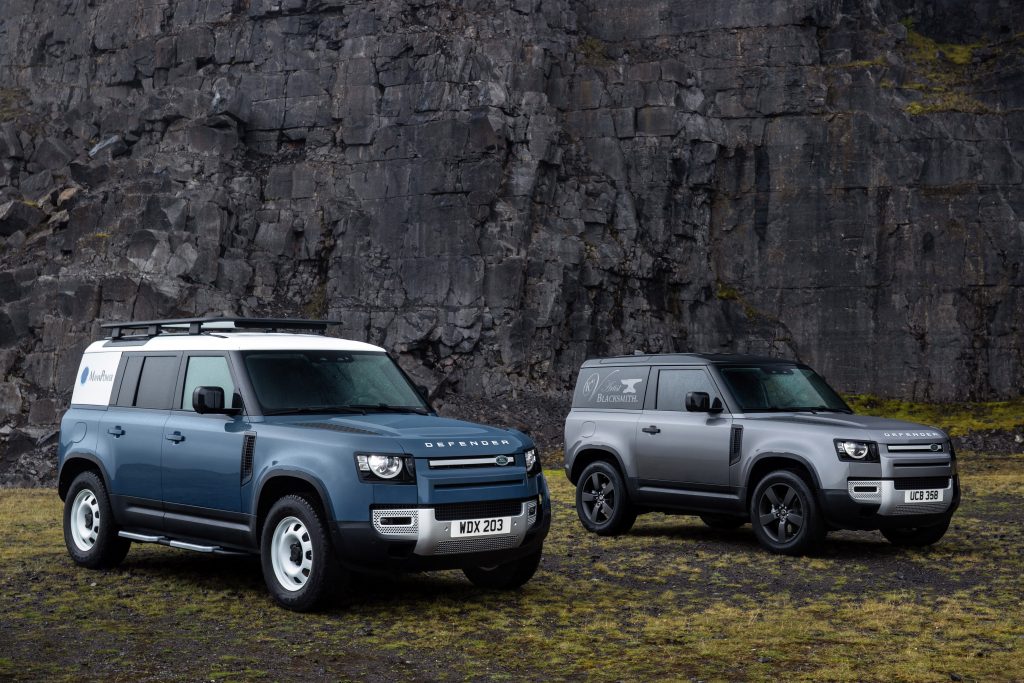
The Defender Hard Top is the commercial variant of the Defender range, a panel van body style rather than the glazed passenger vehicle most people picture. IT comes in two primary configurations:
Defender 90 Hard Top – the shorter two-door version, based on the 90-inch wheelbase. Seats two or three in the front with a full cargo area behind.
Defender 110 Hard Top – the longer four-door version, based on the 110-inch wheelbase. Larger cargo area and the option of a jump seat rear bench that can accommodate additional passengers.
Both variants are classified as Light Commercial Vehicles (LCVs) rather than passenger cars, and this classification is the foundation of much of the financial appeal for business buyers.
The Tax Case: Why Business Owners Are taking Notice
This is where the Defender Hard Top gets genuinely interesting for business buyers, and where it’s worht understanding the numbers clearly.
Note: tax rules are subject to change and individual circumstances vary. Always confirm your specific tax position with a qualified accountant before making any purchasing decisions.
Capital Allowances
As a Light Commercial Vehicle, the Defender HArd Top qualifies for capital allowance treatment rather than the more restricted passenger car capital allowance rules.
For a business buying the Defender Hard Top, this means the Annual Investment Allowance (AIA) can apply, allowing the full purchase price to be offset against taxable profits in the year of purchase. For a higher-rate taxpayer or a profitable business, this can represent a substantial tax saving in year one.
By contrast, a passenger car, even a business car, is subject to writing-down allowances rather than the AIA, which means the cost is offset over multiple years at a slower rate.
Benefit in Kind
For employees or directors who use a company vehicle privately, Benefit in Kind (BIK) tax applies. for passenger cars BIK is calculated as a percentage of the car’s list price, and for higher-value vehicles, it can be a significant annual tax cost.
Commercial vehicles including the Defender Hard Top are taxed differently for BIK purposes. Rather than a percentage of list prices, a flat rate applies, currently £3,960 per year for a van available for private use. For a vehicle with a list price of £60,000-£80,000, this representa a dramatically lower BIK exposure than an equivalent passenger car.
VAT Recovery
For VAT-registered businesses, commercial vehicles used exclusively for business purposes allow the full VAT element of the purchase price to be reclaimed. On a Defender Hard Top prices at £60,000+, that’s potentially £10,000+ in reclaimable VAT.
The Net Effect
When capital allowances. BIK savings, and VAT recovery are combines, the net cost of a Defender Hard Top to a business can be significantly lower than the list price suggests. This is one of the primary reasons the vehicle has attracted such a strong interest from business owners who might otherwise have looked at premium SUV alternatives.
The capability Case: It Actually Goes Everywhere
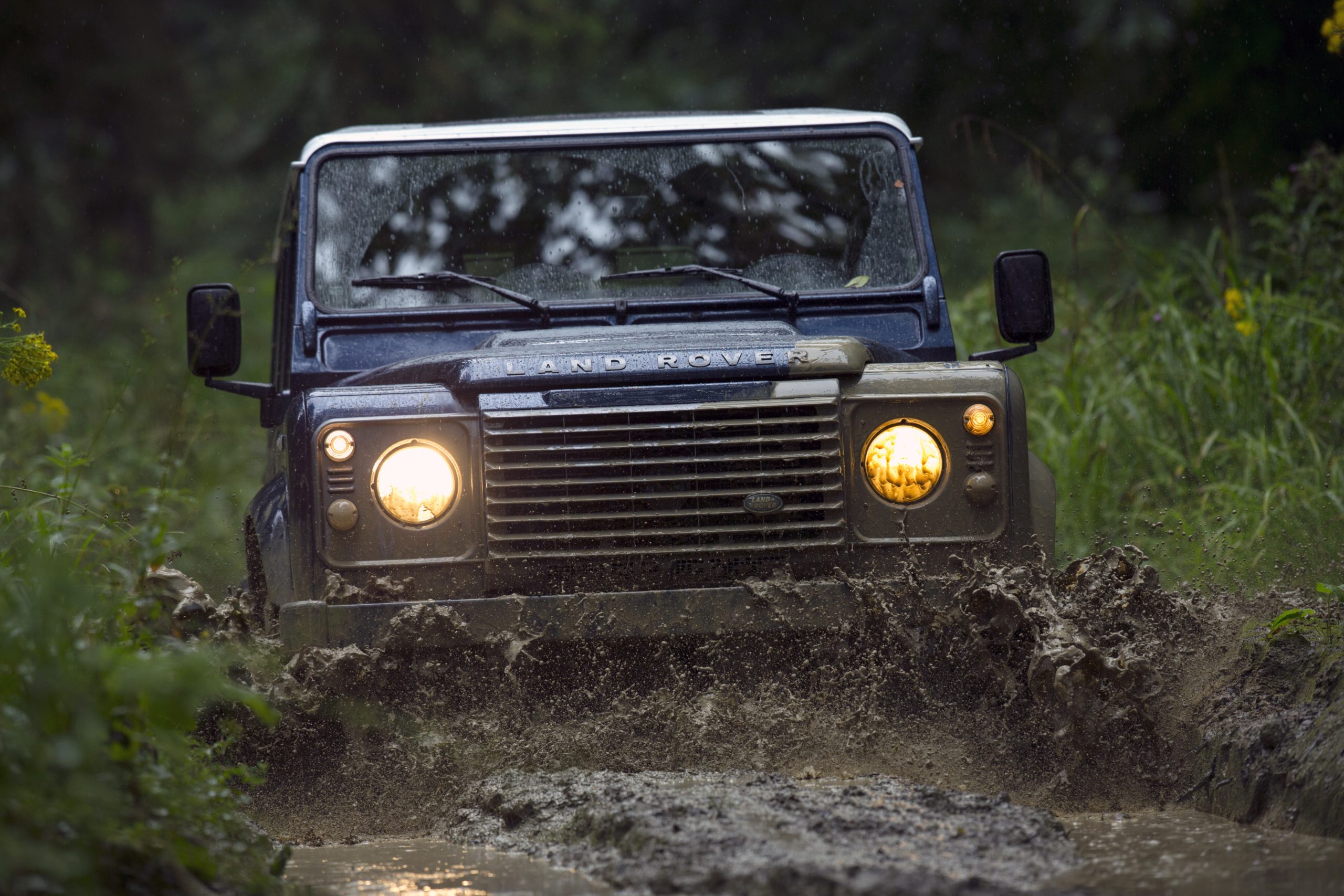
Unlike many premium SUVs that are marketed on off-road credentials but rarely leave tarmac, the new Defender is the genuines article. Permanent four-wheel drive, a dedicated Terrain Response system, and ground clearance figures that leave most rivals standing means it can handle conditions that would stop almost any alternative in its class.
For business owners in farming, construction, land management, or any industry where access to challenging terrain is genuinely required, the Defender Hard Top delivers capability that its premium price actually justifies.
But the appeal doesn’t stop there. Even for business owners who will never take their Defender off-road, the capability functions as a form of reassurance, the knowledge that whatever the weather, whatever the conditions, the vehicle will get there. In the UK’s climate, that’s not an insignificant consideration.
The Residual Value Case
The Land Rover Defender has produced one of the most remarkable residual value stories in the modern used car market.
Demand for the new Defender, particularly the Hard Top variants, has consistently and significantly outstripped supply since launch. Wait times for new examples have been stretched to twelve months or more. This supply constraint has had a dramatic effect on used values.
Used Defender Hard Tops regularly sell for prices close to and in some cases exceeding their original list price. For a vehicle costing £60,000-£80,000 new, the depreciation story is almost uniquely favourable compared to any other vehicle in that price bracket.
For a business owner, this changes the total cost of ownership calculation fundamentally. A vehicle that retains 90-95% of its value after two years has a dramatically different real cost than a premium SUV that loses 30-40% in the same period, even if the list prices are comparable.
The Status Case: What It Says About Your Business
This is the element that’s less often discussed but equally real.
The Defender Hard Top has developed a cultural position that’s unlike any other commercial vehicle on the market. It’s a vehicle that communicates substance without ostentation, capability without pretension. It reads as successful but grounded. Confident but not flashy.
For business owners who are conscious of what their vehicle communicates to clients, colleagues, and competitors, the Defender Hard Top occupies a unique space. It signals that the business is doing well, but it does so in a way that suggests the owner has substance and taste rather than just money.
This is particularly relevant in industries like construction, architecture, property, agriculture, and professional services, where showing up in the right vehicle carries real cultural weight.
The Practicality Case: It’s Actually Useful
Beyond tax, residuals, and image, the Defender Hard Top is a genuinely practical commercial vehicle for many business applications.
The cargo area is substantial, the 110 Hard Top in particular offers serious load capacity. The build quality is exceptional by commercial vehicle standards. The driving experience is genuinely premium. And the versatility of the Terrain Response system, wading capability, and towing capacity, up to 3,500kg, means it can serve as a genuine working tool rather than just a status symbol.
For business owners who need a vehicle that can carry equipment to site, tow a trailer, transport materials in challenging conditions, and then take clients to lunch without anyone raising an eyebrow, the Defender Hard Top is almost uniquely positioned to do all of it.
Is The Defender Hard Top Right for Your Business?
It’s worth being clear that the Defender Hard Top is not the right choice for every business buyer. The list price is significant, and the financial benefits, while real, require a profitable business to offset against. The running costs, servicing costs, and insurance premiums are commensurate with a premium vehicle.
For the right buyer, a profitable business, ideally VAT registered, with a genuine need for a capable, prestigious commercial vehicle, the combination of tax efficiency, residual value performance, and practical capability makes it a genuinely compelling case.
Questions worth asking yourself:
- Is my business profitable enough to benefit meaningfully from the capital allowance?
- Am I VAT registered and using the vehicle predominantly for business?
- Do I genuinely need the capability, or would a less expensive commercial vehicle serve the same practical purpose?
- What does my vehicle communicate to clients and can the Defender Hard Top positively affect that?
- What’s my exit strategy, will I sell, refinance, or continue at the end of the finance term?
Frequently Asked Questions
Can I use a Defender Hard Top for personal journeys?
What's the different between the 90 Hard Top and 110 Hard Top?
Can a sole trader finance a Defender Hard Top?
Is the Defender Hard Top good value compared to alternatives?
What engines are available?
Ready to Finance a Defender Hard Top?
At Motor Loans R Us, we pass applications to lenders from our panel who are experienced with higher-value commercial vehicle finance, for sole traders, limited companies, and self-employed business owners alike.
No pressure. No jargon. Just straightforward finance for vehicles that mean business.
Apply Now