How Does Motorhome Finance Work?
Everything You Need to Know Before You Buy
Motorhome ownership is one of those things that people think about for years before they actually do it. They watch the YouTube channels, join the Facebook groups, research routes across Europe, and slowly build a very clear picture of the life they want.
Then they look at the price tags and wonder if it’s actually achievable.
It is. And motorhome finance is how most people get there.
This guide walks you through everything you need to know, honestly and plainly, so you can stop searching and start planning your first trip.
Why Do People Finance a Motorhome?
Because motorhomes are expensive. That’s the simple answer.
Entry-level used campervans start from around £15,000. A decent used coachbuilt motorhome will set you back £30,000 to £60,000. New A-class motorhomes from premium manufacturers can reach six figures.
For most buyers, paying cash outright isn’t realistic, and even for those who could, tying that much capital into a single purchase isn’t always the smartest financial move. Financing a motorhome lets you spread the cost into predictable monthly payments while still getting the vehicle you actually want, rather than compromising on age, condition, or spec to fit a cash budget.
What's the Difference Between a Motorhome and a Campervan?
Before getting into finance, it’s worth clearing up a common point of confusion, because lenders sometimes treat these differently.
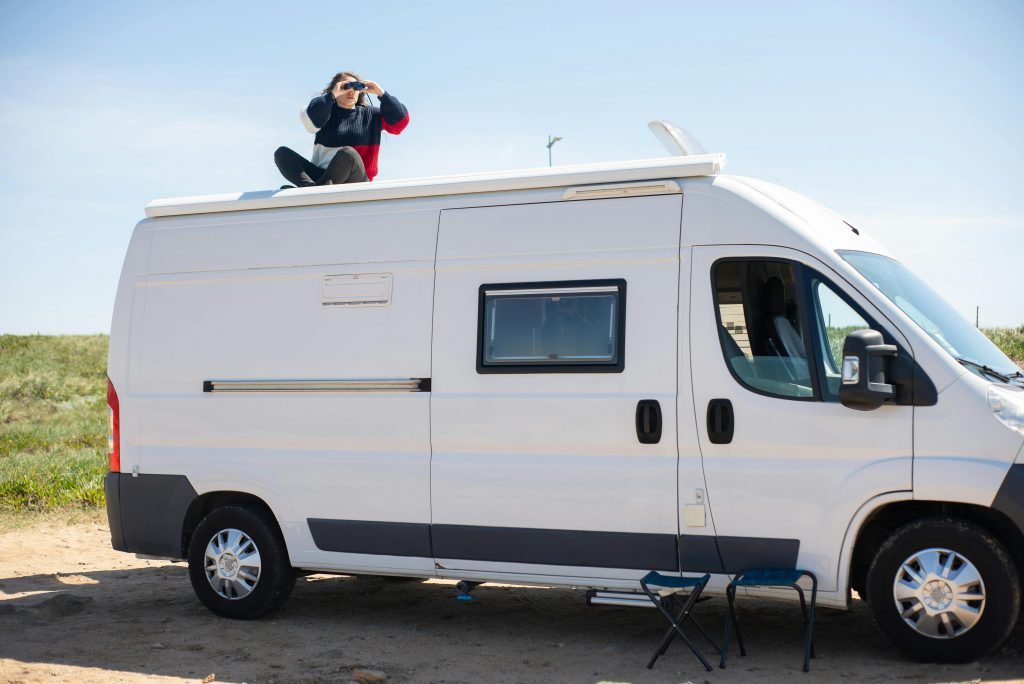
A campervan is typically a converted panel van, think a VW Transporter or Ford Transit with a fitted interior. They’re compact, versatile, and easier to drive and park. They tend to be lower in value than coachbuilt motorhomes.
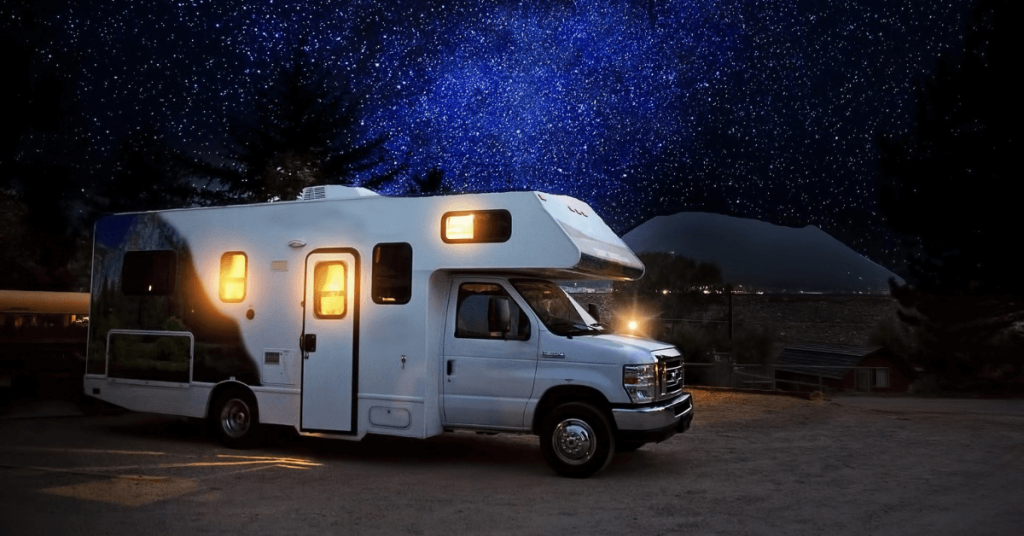
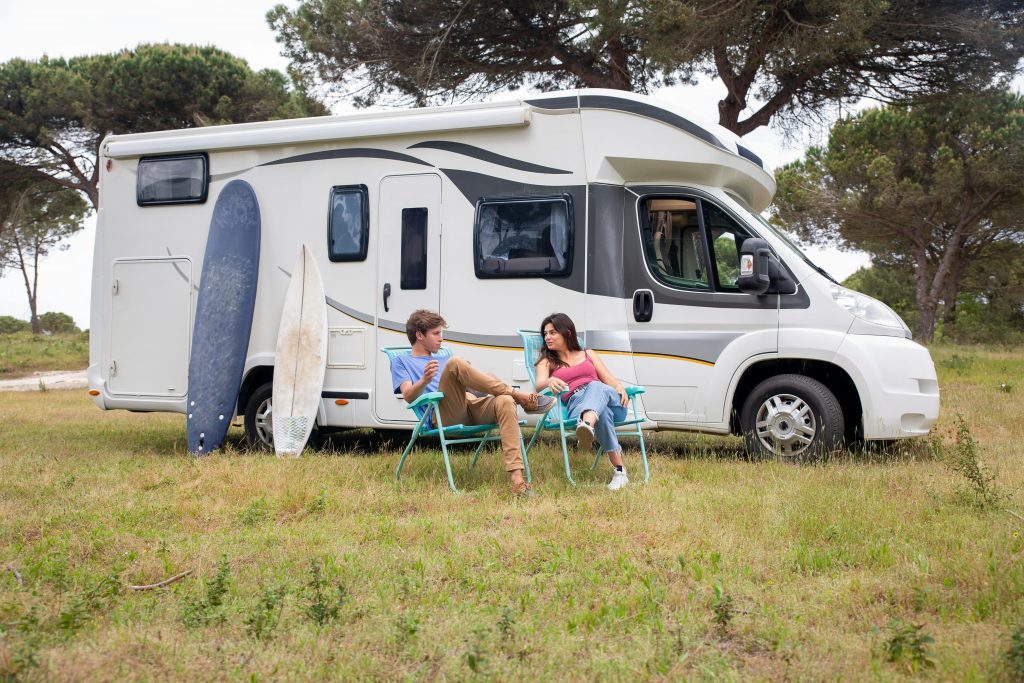
A motorhome (sometimes called a coachbuilt) is a purpose-built vehicle with a living section that extends beyond the cab. They’re larger, better equipped for long trips or full-time living, and generally higher in value.
What Finance Options Are Available for Motorhomes?
Hire Purchase (HP)
Hire purchase is the most popular motorhome finance option, and for good reason, it’s simple, transparent, and results in you owning the vehicle outright at the end of the agreement.
You pay an initial deposit (or explore no-deposit options), and the balance plus interest is divided into fixed monthly repayments over an agreed term. Once the final payment is made, the motorhome is yours, free and clear.
For high value, long-term purchases like a motorhome, HP makes a lot of sense. There are no balloon payments lurking at the end, no mileage restrictions, and no end-of-term decisions about whether to hand it back.
Personal Contract Purchase (PCP)
PCP offers lower monthly payments than HP, because you’re only financing part of the vehicle’s value during the agreement. At the end of the term, you have three options: pay a final balloon payment to own the motorhome outright, hand it back with nothing more to pay, or use any equity as a deposit for your next vehicle.
PCPs suit buyers who like the flexibility of upgrading regularly or who want to keep monthly payments as low as possible. The trade-off is that you don’t own the motorhome until that final payment is made.
Personal Loan
A personal loan gives you the funds to purchase the motorhome outright; you own the motorhome from day one and repay the lender.
This can be a good option if you want a clean, simple purchase with no finance attached to the vehicle itself, though interest rates on unsecured personal loans can sometimes be higher than secured vehicle finance.
New, Used or Converted - Can I Finance All Three?
Generally, yes, though the options available can vary.
New motorhomes from dealerships are the most straightforward to finance. Full documentation, manufacturer warranties, and known history make lenders comfortable.
Used motorhomes from reputable dealers are also widely financeable, though lenders will consider the age and condition of the vehicle.
Private purchases and conversions can be trickier, as some lenders prefer not to finance private sales or non-standard vehicles. A specialist broker can help identify lenders who are more flexible in these cases.

What About Financing a Motorhome If You're Retired?
This is one of the most common questions we hear about motorhome finance, and the answer might surprise you.
Retirement doesn’t disqualify you from motorhome finance. Lenders assess affordability based on your income and outgoings, not your employment status. Pension income, rental income, and other retirement income are all considered. Many retired buyers are in a strong financial position with low outgoing expenses and a good credit history, which can make them very attractive to lenders.
If you’re retired and considering a motorhome, don’t assume finance isn’t available to you. It very often is.
How Much Can I Borrow and Over How Long?
Motorhome finance is typically available from around £5,000 upwards, with terms ranging from 12 months to 84 months or more for higher-value vehicles.
The right term depends on your budget. Spreading repayments over a longer term reduces what you pay each month but increases the total interest paid. A shorter term means higher monthly payments but less paid overall.
A good rule of thumb, no matter the vehicle you are financing: the monthly payment should be genuinely comfortable, not a stretch, not a squeeze. If it feels right on paper, it’ll feel tighter in reality.
The True Cost of Motorhome Ownership
Finance is just one part of the picture. Before committing to a motorhome purchase, it’s worth factoring in the full running costs:
Insurance – motorhome insurance is specialist, and can vary significantly between providers. Storage location, annual mileage, and how you use the vehicle (leisure vs full-time living) all affect your premium.
Road tax – based on engine size and CO2 emissions. Older motorhomes can attract higher road tax.
Habitation service – a motorhome-specific annual check covering the living area, gas systems, water systems, and damp. Typically costs £150-£300 depending on the vehicle.
Storage – if you don’t have space at home, secure off-site storage can run from £500 to £2,000+ annually, depending on location and security level.
Fuel – larger motorhomes have larger engines. Factor realistic fuel costs into your budget, particularly if you’re planning longer European trips.
None of these are reasons not to buy; they’re just things worth knowing upfront so there are no surprises down the road.
Frequently Asked Questions: Motorhome Finance
Can I get motorhome finance with bad credit?
Can I finance a motorhome for full-time living?
Is motorhome finance different from caravan finance?
Can I part exchange my current motorhome?
What happens if I want to sell the motorhome while it's on finance?
Ready to Start Your Adventure?
At Motor Loans R Us, we connect buyers across the UK with lenders from our panel suited to their circumstances. Whether you’re a first-time buyer, a retiree, or upgrading from a campervan to something bigger, we’re here to make the process simple.
No pressure. No jargon. Just straightforward motorhome finance ready when you are.