

Which Type of Van is Right for You? A Complete Guide to Choosing the Best Van for Your Needs?
Choosing the right van isn’t just about size or price; it’s about how you’ll actually use it day to day. From deliveries and trades to moving bulky goods or carrying a crew, different van types are built for very different jobs.
This guide breaks down the most common types of vans, what they’re best suited for and who should consider each one, so you can make a confident, practical choice.
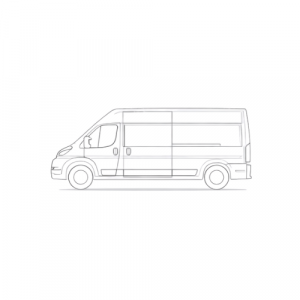
Panel Vans
Best for: Tradespeople, couriers, sole traders, and small businesses.
Panel vans are the most common type of van on UK roads, and for good reason. They offer a fully enclosed load area, excellent security, and a wide range of sizes.
Why Choose a Panel Van?
- Secure, lockable load space
- Ideal for tools, stock or parcels
- Available in short, medium and long wheelbases
- Easy to drive and park compared to larger vans
Typical Users:
- Electricians
- Plumbers
- Builders
- Delivery drivers
- Mobile businesses
If you need a reliable, versatile workhorse that does a bit of everything, a panel van is usually the go-to choice.
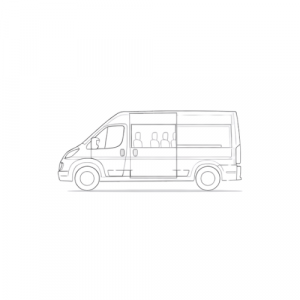
Crew Vans (Double Cab Vans)
Best for: Businesses that carry people and equipment.
Crew vans combine a load area with a second row of seats, allowing you to transport both your team and your tools in one vehicle.
Why Choose A Crew Van?
- Seat 5-6 people comfortably
- Separate rear load space
- No need for multiple vehicles
- Great balance between practicality and comfort
Typical users:
- Construction teams
- Landscaping businesses
- Utilities and maintenance crews
Crew vans are perfect if you regularly move staff between sites but still need room for equipment.
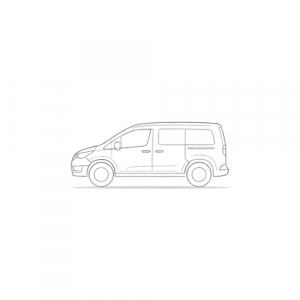
Compact Vans
Best for: City driving, light loads, new businesses.
Compact vans are smaller, more car-like, and ideal for urban environments.
Why choose a compact van?
- Easier to park and manoeuvre
- Lower running costs
- Great fuel efficiency
Typical users:
- Urban couriers
- Florists
- Mobile services
- Start-ups
They’re proof that you don’t need a big van to run a professional operation.
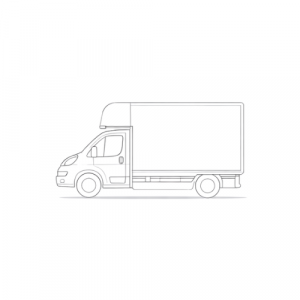
Luton Vans
Best for: Moving large or bulky items
Luton vans feature a large, box-shaped load area that sits over the cab, maximising space and making them ideal for high-volume or awkward loads.
Why choose a Luton Van?
- Huge load capacity
- Square shape makes packing easier
- Tail lifts are often available
- Excellent for furniture and removals
Typical users:
- Removal companies
- Furniture delivery businesses
- Event and exhibition companies
If volume matters more than manoeuvrability, a Luton van is hard to beat.
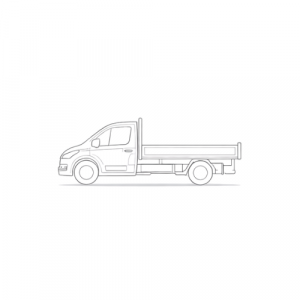
Dropside Vans
Best for: Construction, landscaping, heavy materials.
Dropside vans have open sides that fold down, allowing easy access from all angles.
Why choose a dropside?
- Quick loading and unloading
- Perfect for loose or heavy materials
- Forklift friendly
Typical users:
- Builders
- Landscapers
- Groundworkers
They’re not about security, they’re about speed and accessibility.
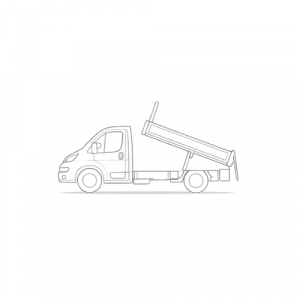
Tipper Vans
Best for: Waste removal, groundwork, trade jobs.
Tipper vans allow the load bed to tilt, making it easier to unload materials like rubble, soil or waste.
Why Choose A Tipper Van?
- Hydraulic tipping for fast unloading
- Built for heavy-duty use
- Saves time and manual labour
Typical Users:
- Builders
- Gardeners
- Waste and clearance businesses
If your work involves constant loading and dumping, a tipper is a serious time-saver.
Which Van Type Should You Choose?
Ask yourself:
- How much space do I really need?
- Am I carrying people, equipment, or both?
- Do I work mainly in cities or on sites?
- Is security or accessibility more important?
The right van should support your workflow, not complicate it.
Van Size Explained Simply
What Do L1, L2, H1, H2, H3 mean on vans?
When searching for a van, you’ll often see terms like L1 H2, L2 H2, L3 H3. These refer to the length and height of the van, and understanding them can make choosing the right van much easier.
What Does “L” Mean?
The L number refers to the wheelbase length of the van.
- L1 – Short wheelbase
- L2 – Medium wheelbase
- L3 – Long wheelbase
- L4 – Extra-long wheelbase (on some large vans)
The higher the number, the longer the load area.
Why length matters:
- Longer vans carry more cargo
- Shorter vans are easier to park and manoeuvre
- Long wheelbase vans are better for bulky or long items (pipes, boards, furniture)
What Does “H” Mean?
The H number refers to the roof height of the van.
- H1 – Low roof
- H2 – Medium roof
- H3 – High roof
The higher the number, the taller the van.
Why height matters:
- Higher roofs allow you to stand inside the load area
- Low roofs fit better in car parks and garages
- High roofs are ideal for shelving or mobile workshops
Common Van Size Combinations (Explained)
Here’s what the most popular combinations usually mean in real life:
L1 H1
- Short and low
- Best for city driving and light roads
- Easy to park
- Common in compact vans
L2 H1
- Medium length, low roof
- Good balance between space and manoeuvrability
- Popular with couriers and trades
L2 H2
- Medium length, medium roof
- One of the most versatile setups
- Often allows standing height
- Ideal for trades and conversions
L3 H2
- Long load area, medium roof
- Great for large tools, materials or stock
- Popular with builders and delivery firms
L3 H3
- Long and high
- Maximum usable space
- Ideal for mobile workshops, removal and high-volume work
Which size is right for you?
Ask yourself:
- Do I need to stand up inside the van?
- Will I be driving in cities or tight spaces?
- Do I need to fit long items or just bulky ones?
- Will the van need to fit into car parks or depots?
Choosing the right L and H combination can make daily work easier, cheaper and far less stressful.
There’s no one-size-fits-all van, and that’s a good thing. Whether you need a compact city can or a heavy-duty Luton, choosing the right type can save you time, money and stress in the long run.
If you’re exploring van finance options, understanding which van suits your needs first makes the whole process smoother and smarter.
Remember: A bigger van isn’t always better. Many drivers choose a van that’s slightly larger than their current needs to allow for future growth, without going so big that running costs and parking become a headache.
Apply for Van Finance
Apply for finance, get your budget, then choose your van from any reputable dealer.
Apply Now